Pituitary Pars Intermedia Dysfunction (PPID), commonly known as Cushing’s disease, is one of the most common endocrine disorders affecting older horses and ponies. Although it cannot be cured, early diagnosis and appropriate treatment can help horses live comfortable, active lives while significantly reducing the risk of complications such as equine laminitis.
PPID develops when changes occur within the pituitary gland, causing it to produce excessive amounts of hormones that affect many systems throughout the body. The condition is most frequently diagnosed in horses over the age of 15, although younger horses can occasionally be affected.
Symptoms of PPID in Horses
The signs of PPID often develop gradually and may be mistaken for normal ageing. Common symptoms include:
- A long, curly or delayed-shedding coat.
- Excessive sweating.
- Loss of topline muscle and a pot-bellied appearance.
- Increased drinking and urination.
- Reduced performance or lethargy.
- Recurrent infections or slow wound healing.
- Abnormal fat deposits.
- Recurrent or unexplained episodes of laminitis.
Not every horse will display every symptom, and in some cases, laminitis may be the first obvious sign of underlying PPID.
Diagnosing PPID
If your veterinarian suspects PPID, they will usually recommend blood testing to measure hormone levels. Results may be interpreted alongside your horse’s clinical signs, age and medical history. In some cases, repeat or seasonal testing may be recommended to confirm the diagnosis.
Treatment and Management
The most commonly prescribed medication for PPID is pergolide mesylate, which helps regulate hormone production by the pituitary gland. Treatment is usually lifelong and should be combined with regular veterinary monitoring to ensure the dosage remains appropriate.
Management also plays a vital role and includes:
- Providing a balanced, low-sugar diet.
- Careful grazing management.
- Maintaining a healthy body condition.
- Routine dental and farrier care.
- Monitoring for signs of infection.
- Regular veterinary health checks and blood tests.
PPID and Laminitis
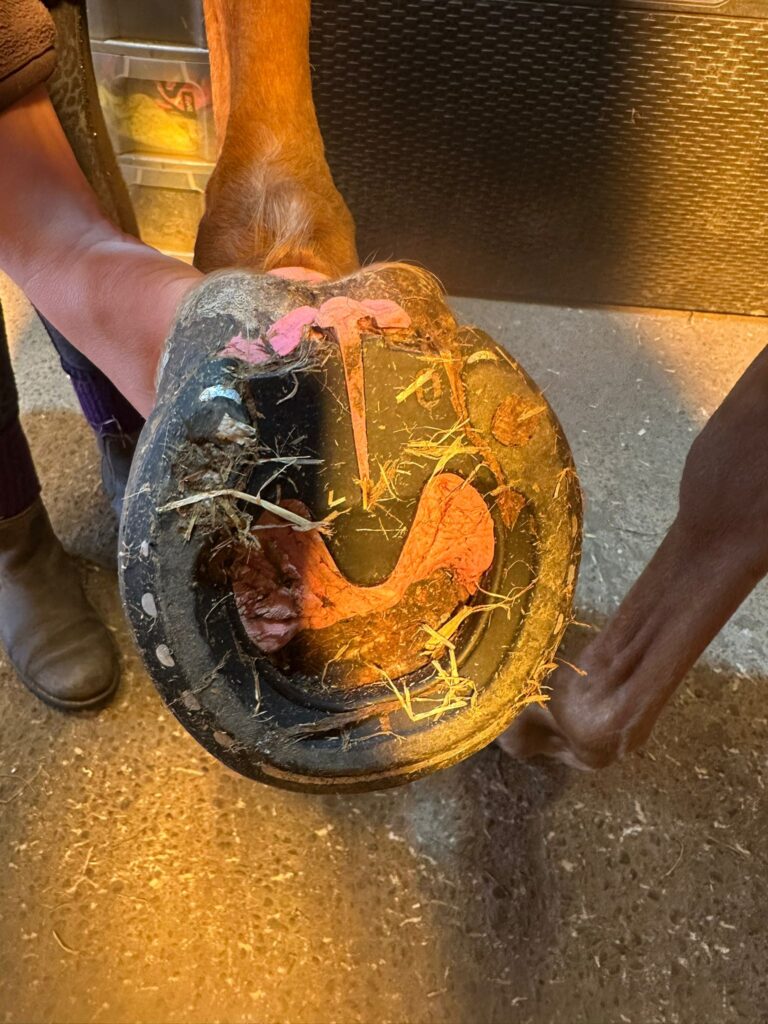
One of the most serious complications of PPID is endocrinopathic laminitis. Elevated hormone levels can increase insulin dysregulation, making affected horses far more susceptible to painful laminitic episodes. Effective PPID management, together with careful dietary control, can greatly reduce this risk.
When Should You Contact Your Vet?
If your horse develops a long coat that doesn’t shed normally, begins drinking excessively, loses muscle condition, or experiences unexplained laminitis, arrange a veterinary examination as soon as possible. Early diagnosis allows treatment to begin before complications become severe.
With modern medication, appropriate nutrition and ongoing veterinary care, many horses with PPID continue to enjoy happy, active lives for many years after diagnosis.