
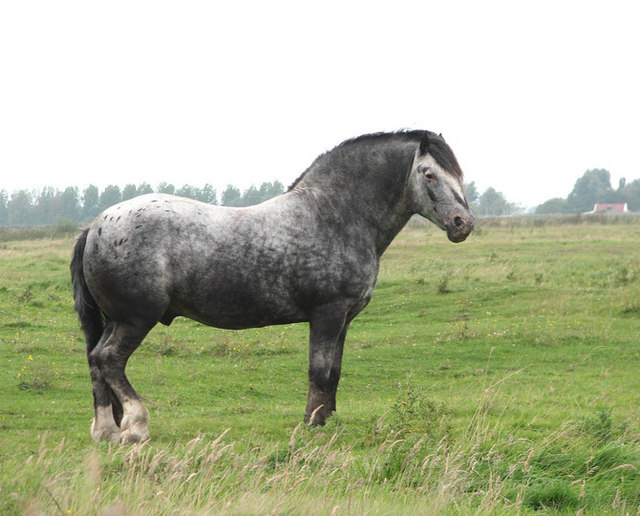
Equine Metabolic Syndrome (EMS) is a common hormonal disorder that affects many horses and ponies, particularly native breeds and those that maintain weight easily. Although EMS itself is manageable, it is one of the leading causes of endocrinopathic laminitis, making early recognition and proactive management essential.
EMS is characterised by insulin dysregulation, where the horse’s body produces abnormal insulin responses after eating. Persistently high insulin levels can weaken the tissues within the hoof, significantly increasing the risk of painful laminitis.
Symptoms of Equine Metabolic Syndrome
The signs of EMS can be subtle, particularly during the early stages. Common symptoms include:
- Being overweight or obese.
- Fat deposits along the crest of the neck, shoulders or tailhead.
- Difficulty losing weight despite controlled feeding.
- Recurrent or unexplained episodes of laminitis.
- Reduced exercise tolerance.
- Increased body condition score despite modest feed intake.
Importantly, some horses with EMS appear to be a healthy weight while still experiencing insulin dysregulation, meaning body condition alone cannot rule out the condition.
Diagnosing EMS
If your veterinarian suspects Equine Metabolic Syndrome, they may recommend blood tests to assess insulin and glucose regulation. Dynamic testing, which measures the body’s response after sugar intake, may also be used to confirm the diagnosis.
Diagnosis considers your horse’s history, clinical signs, breed, body condition and previous episodes of laminitis.
Managing Equine Metabolic Syndrome
Successful EMS management focuses on improving insulin sensitivity while reducing the risk of laminitis.
This usually includes:
- Feeding a low-sugar, low-starch diet.
- Restricting access to lush pasture, particularly during periods of rapid grass growth.
- Encouraging gradual, regular exercise where appropriate.
- Achieving and maintaining a healthy body weight.
- Monitoring body condition throughout the year.
- Working closely with your veterinarian and farrier.
Some horses may also require medication if dietary and management changes alone are insufficient.
EMS and Laminitis
One of the greatest concerns with EMS is its close relationship with equine laminitis. Elevated insulin concentrations can trigger laminitis even in the absence of excessive weight or visible hoof problems. Careful management of insulin levels is therefore one of the most effective ways to reduce future laminitic episodes.
Owners whose horses have experienced unexplained laminitis should always discuss the possibility of EMS with their veterinarian.
Protecting Your Horse
Although EMS cannot always be prevented, maintaining an appropriate body weight, providing a balanced diet, encouraging regular exercise and monitoring horses at higher risk can dramatically reduce the likelihood of developing serious complications.
With early diagnosis and consistent management, many horses with Equine Metabolic Syndrome continue to enjoy long, healthy and active lives while significantly lowering their risk of laminitis.